Runcorn Medical Leasing: 6 Things Practices Must Know
Leasing medical space in Runcorn? Here are six practical things GP clinics and allied health practices need to know before signing a lease in this Brisbane suburb.

Runcorn sits in Brisbane's southern outer ring, about 15 kilometres from the CBD, and it has quietly become one of the more competitive locations for primary care leasing in greater Brisbane. The suburb carries a large multicultural population, strong demand for bulk-billing services, and a growing allied health sector that is competing for the same limited pool of suitable premises. For any practice principal weighing up a move or expansion here, the lease terms, fitout realities, and local market conditions deserve close attention before signing anything.
1. The bulk-billing profile shapes what you need from a premises
Runcorn's patient base skews toward families, newer migrants, and older residents, all of whom tend to expect accessible, affordable primary care. That means your space needs to work efficiently, not just look good. High patient throughput requires a reception area that can handle volume, adequate waiting room capacity, and consulting rooms that allow concurrent practitioners to see patients without bottlenecks. Practices that underestimate these functional demands when signing leases often find themselves negotiating costly make-good or fitout variations within the first two years.
2. Zoning and permitted use clauses carry real risk
Not every commercial or retail tenancy in Runcorn is automatically approved for medical use. Under the Queensland planning framework, health care services typically require a specific use classification, and some older strip retail precincts carry zoning conditions that complicate the approvals process. Before committing to any space, have your solicitor confirm the permitted use clause in the lease and verify that the local authority will approve the intended use. Discovering a zoning problem after fitout begins is an expensive lesson that some practices in Brisbane's southern suburbs have already learned.
3. Competition for quality space is tightening
Runcorn is not oversupplied with purpose-built medical premises. The suburb's growth has outpaced the development of dedicated healthcare facilities, which puts pressure on the available stock. Practices increasingly compete with physiotherapists, psychologists, and other allied health providers for the same ground-floor tenancies with accessible parking and compliant disabled access. When a suitable space becomes available, it rarely sits vacant for long, so having your financial and legal position ready before you start inspecting is a practical advantage, not a luxury.
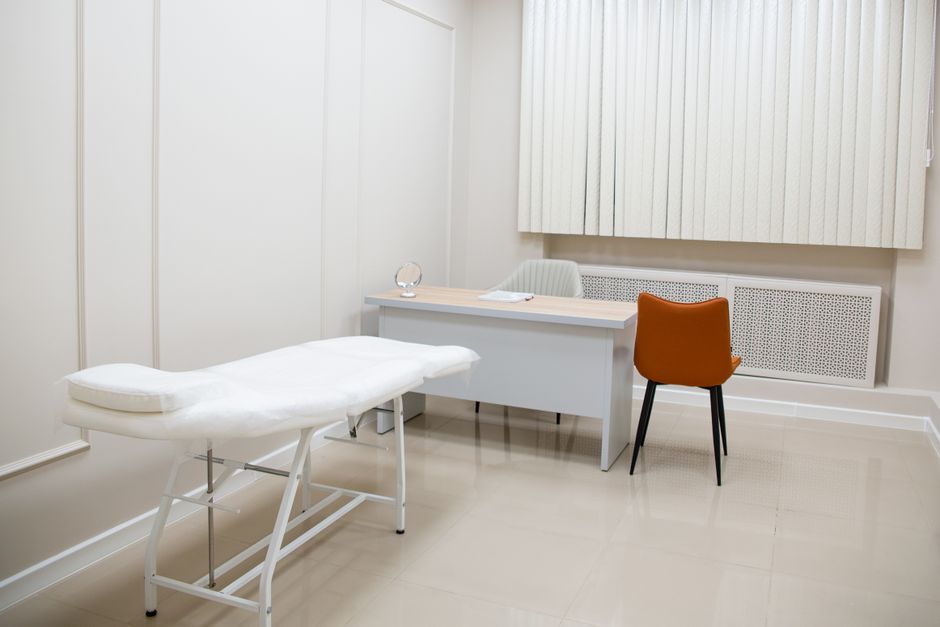
4. Lease terms for medical tenancies differ from standard commercial
Medical and healthcare tenants typically negotiate longer initial terms than standard commercial occupiers, and for good reason. The fitout investment for a GP clinic or specialist suite is substantial, and a short lease erodes the return on that capital quickly. In a suburb like Runcorn, where suitable premises are limited, landlords generally understand this dynamic and are open to initial terms of five years or more with options to renew. What practices sometimes overlook is the make-good clause at the end of the lease, which can require restoring the space to its original condition at significant cost. Negotiate this clause carefully, and document the condition of the premises thoroughly before fitout begins.
5. Fitout standards affect accreditation, not just aesthetics
The RACGP practice standards set out specific requirements for the physical environment of a general practice, covering consultation room dimensions, infection control infrastructure, patient privacy provisions, and accessible entry. Allied health disciplines carry their own requirements. A tenancy that looks suitable on a floorplan may not meet these standards without significant capital works. Get a healthcare-experienced architect or fitout consultant to assess any space against your accreditation requirements before you negotiate heads of agreement, not after.
6. Understand your patient catchment before committing to a location within the suburb
Runcorn is a large suburb with distinct pockets of residential density, and not all parts of it offer equal patient access. Proximity to public transport, the presence of nearby anchor services such as a pharmacy or pathology collection centre, and adequate on-site or nearby parking all influence whether a practice will attract and retain the volume of patients it needs to operate sustainably. The ABS population data for the area shows continued household growth in the southern Brisbane corridor, but that growth is not uniform across every street or precinct within Runcorn. A more densely populated corner of the suburb with strong foot traffic will almost always outperform a quieter pocket, even if the rent is higher.
Leasing medical space in Runcorn rewards preparation. The suburb's demographics create genuine and sustained demand for primary care and allied health services, but the supply of premises that actually meet clinical and accreditation requirements is thin enough that practices cannot afford to be passive. Working with advisers who understand both the leasing process and the operational requirements of a healthcare tenancy gives any practice the best chance of securing terms that protect the business over the full life of the lease. For a broader view of how comparable Brisbane suburbs are evolving, the articles on Nundah medical leasing and Carindale medical property offer useful context on how demand and supply are shifting across the city's inner and middle rings. The AIHW health workforce data also points to continued practitioner growth in suburban Queensland, which will keep demand for well-located medical premises strong for years ahead.
This article is general information only and does not take your personal circumstances into account. It is not financial, legal or professional advice. Seek advice specific to your situation before acting. Content is AI-generated from publicly available industry sources and may contain errors.