Nundah Medical Leasing: A Practical Guide for Practices
Leasing medical suites in Nundah? This practical guide covers what GP clinics and allied health practices need to know about securing space in this growing Brisbane suburb.
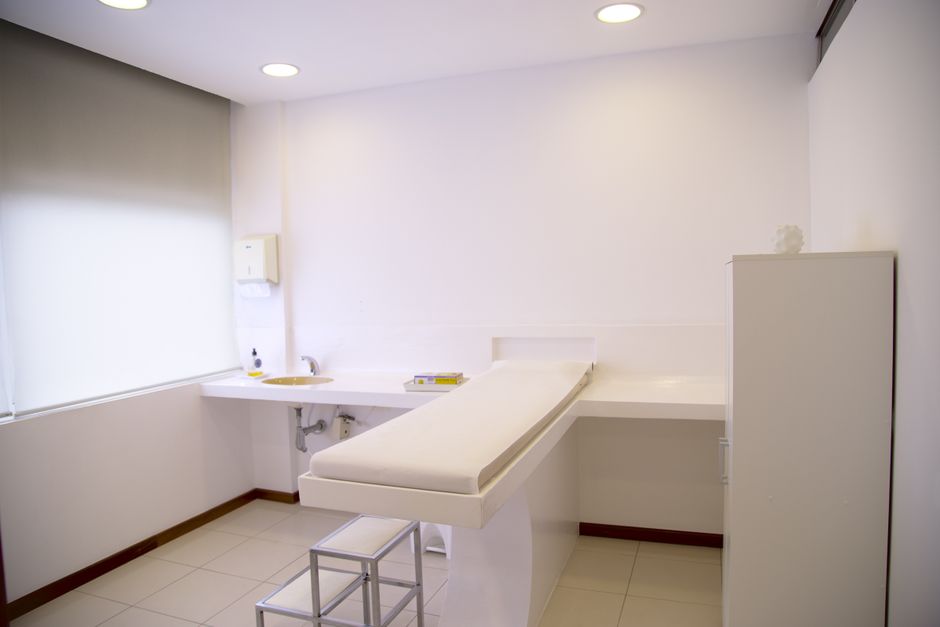
Nundah sits at an interesting intersection. It is close enough to Brisbane's inner ring to attract the density and demographics that sustain busy primary care practices, yet far enough from the CBD to retain the community character that makes it a genuinely liveable suburb. Add the airport corridor running through its eastern edge and a steady pipeline of residential development, and you have a suburb where demand for health services is rising faster than the supply of purpose-fitted medical premises.
For GP clinics, allied health practices, and specialist consulting suites weighing up Nundah as a base, the leasing environment rewards those who plan carefully and move with a clear understanding of what the market is actually offering right now.
The residential growth story in Nundah is not speculative. Higher-density apartment projects have been reshaping the suburb's population profile over the past several years, drawing younger households, working professionals, and families who expect accessible primary care and allied health services within their own suburb rather than travelling elsewhere. This shift in population density creates genuine patient catchment depth, which in turn supports the viability of multi-practitioner GP clinics, physiotherapy suites, psychology practices, and similar services. ABS population data consistently shows that areas undergoing this kind of density transition experience accelerating demand for locally delivered health services.
Competition for quality medical space in Nundah has tightened as awareness of the suburb's growth trajectory has spread among both owner-occupiers and health-focused investors. Well-fitted premises in high-pedestrian locations near the Nundah Village retail strip or the train station tend to attract multiple enquiries. Practices that approach the leasing process without a clear brief on their spatial requirements, fit-out preferences, and patient flow needs often find themselves negotiating from a weaker position. Knowing your non-negotiables before you enter any discussion with a landlord is simply good preparation.
Lease terms that practices can realistically expect to negotiate in Nundah sit within the broader Brisbane commercial leasing context, where terms of five years with options are standard for established medical tenants and where landlords with purpose-built or adapted medical space generally price that premium into base rent. What experienced health tenants understand is that the rent conversation is never the whole story. Make-good obligations, fit-out contribution, rent-free periods for refurbishment, and permitted-use clauses all carry significant financial weight over the life of a lease. A landlord offering a modest face rent but rigid make-good provisions can cost a practice substantially more than a seemingly higher-rent alternative with genuine flexibility built in.
The RACGP's guidance on running a practice addresses how premises decisions intersect with accreditation requirements, and it is worth reading before committing to any tenancy. RACGP standards set minimum requirements around accessibility, infection control, consultation room dimensions, and patient privacy that generic commercial space often fails to meet without significant modification. Signing a lease before confirming that the premises can be practically and economically fitted to those standards is a risk no practice should accept.
The airport corridor context also matters for certain specialist practice types. Allied health disciplines serving corporate clients, frequent travellers, and workers in the aviation and logistics sectors along the northern corridor can find that a Nundah address offers genuine accessibility advantages over more centrally located alternatives. Parking availability and proximity to public transport are real factors for patient retention in this suburb, and both deserve scrutiny during any site inspection.
For practices considering ownership rather than leasing, Nundah has attracted attention from medical investors who recognise the suburb's underlying demand story. AIHW health workforce data points to continued growth in the number of registered practitioners seeking premises across metropolitan Brisbane, which supports the medium-term case for investing in well-located health property here. That said, ownership decisions require a different and more detailed analysis than leasing decisions, and the two should not be conflated.
Practices that have successfully established themselves in comparable inner-north Brisbane suburbs share a common approach. They engaged specialist medical real estate advice early, defined their premises requirements with precision, and treated the lease negotiation as a clinical infrastructure decision rather than simply an administrative task. Nundah rewards that level of seriousness. The suburb's growth fundamentals are sound, the patient catchment is deepening, and the right premises secured on the right terms can underpin a practice's performance for a decade or more.
For further context on leasing in comparable Brisbane suburban markets, the guides covering Toowong medical leasing and Brendale medical property offer relevant points of comparison across different demand profiles and lease structures within the broader south-east Queensland medical real estate market.
This article is general information only and does not take your personal circumstances into account. It is not financial, legal or professional advice. Seek advice specific to your situation before acting. Content is AI-generated from publicly available industry sources and may contain errors.