Herston Medical Property: Tenant & Investor Guide
A practical guide to healthcare property in Herston, Brisbane, specialist demand, parking constraints, property types, and what tenants and investors need to know.
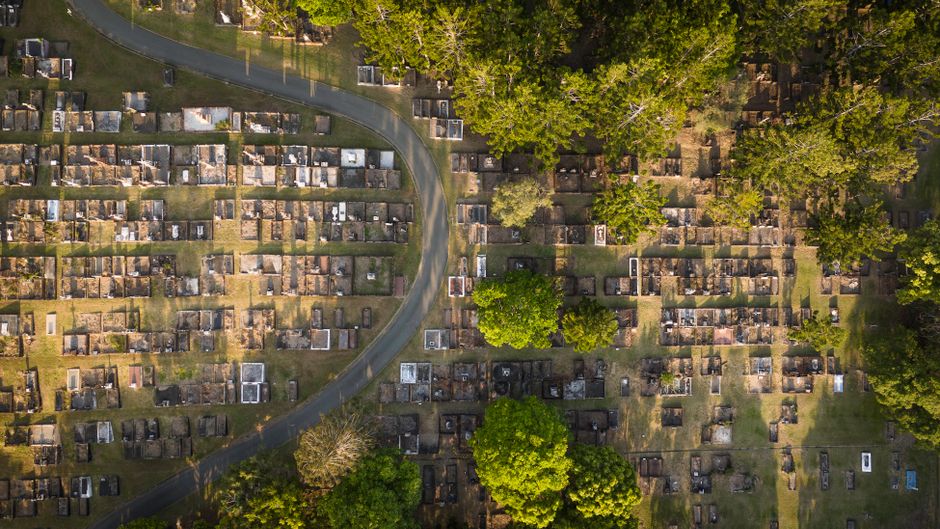
Herston is one of Brisbane's most concentrated healthcare precincts, built around the Royal Brisbane and Women's Hospital, QIMR Berghofer Medical Research Institute, and the Queensland Dental Hospital. If you are considering leasing, buying, or investing in medical property here, the location rewards those who understand how it works and penalises those who treat it like any other inner-city suburb. This guide walks through the key factors shaping demand, the property types available, and the commercial decisions that matter most for both tenants and investors.
1. Understand what drives specialist consulting demand in Herston
Proximity to a major tertiary hospital is the single biggest demand driver for specialist consulting suites anywhere in Australia, and Herston is the clearest example of that in Brisbane. Specialists who hold visiting medical officer roles at the Royal Brisbane and Women's Hospital routinely seek rooms within walking distance or a short drive of the campus. The presence of QIMR Berghofer adds a second layer of demand from clinician-researchers who need private consulting space adjacent to their research base. That combination of acute care, specialist outpatient services, and medical research creates a precinct where consulting demand rarely softens, regardless of broader commercial property conditions.
2. Map the precinct boundaries and character before you commit
Herston sits immediately north of the CBD, bordered by Bowen Hills to the east and Kelvin Grove to the west. The precinct has a strong institutional character shaped by decades of hospital expansion and university health faculty investment. Purpose-built medical buildings, converted residential properties, and older strata medical suites sit alongside newer mixed-use developments. Knowing where you fit within that mix matters because specialist tenants, allied health operators, and day procedure facilities each have different space requirements and will perform better in some parts of the precinct than others.
3. Assess parking constraints early and price them into your decision
Parking is the most consistently raised challenge for operators in Herston. The hospital campus generates enormous daily traffic, street parking is tightly managed, and on-site parking for private medical buildings is often limited by site area. For specialist consulting practices, inadequate patient parking can suppress appointment volumes and affect patient satisfaction scores. Before signing a lease or making a purchase, count the available bays, check whether they are included in the lease or charged separately, and confirm access hours. Some buildings in the precinct offer shared parking arrangements or validate nearby commercial parking, and those arrangements should be documented in any lease you sign. Our article on hidden lease costs in medical property covers parking charges as part of the outgoings structure worth scrutinising.
4. Identify the right property type for your specific use
Herston offers several distinct property formats. Strata medical suites in older buildings provide lower entry points for owner-occupiers but may carry dated electrical infrastructure and limited floor plate flexibility. Whole-floor tenancies in purpose-built medical buildings give specialists greater control over layout, reception design, and future expansion. Ground-floor retail conversions along Bowen Bridge Road and surrounding streets have been adapted for allied health and diagnostic imaging, though building services in these properties vary widely. For day procedure operators or specialist groups requiring procedure rooms, the structural requirements are more demanding, and the supply of suitable buildings is genuinely thin. Compliance requirements for medical fitouts in Queensland can significantly affect which buildings are viable for clinical use.
5. Evaluate building infrastructure against clinical requirements
Medical tenants in Herston increasingly require buildings that support digital imaging, telehealth platforms, and networked practice management systems. Older strata buildings in the precinct may lack the power capacity, data cabling, or mechanical ventilation standards that modern specialist practices expect. Before negotiating a lease, commission an independent building assessment that covers electrical capacity, data infrastructure, air handling for clinical spaces, and compliance with the RACGP practice standards relevant to your discipline. A building that looks suitable on inspection may require significant capital investment to reach clinical standard, and that cost should be factored into your rent negotiation.
6. Negotiate lease terms that reflect the specialist precinct premium
Landlords in Herston understand that medical tenants are sticky. Specialist practices build patient bases over years, referring networks take time to develop, and the cost of relocating a fit-out is substantial. That dynamic gives landlords confidence to hold firm on rental levels and lease terms. As a tenant, your negotiating position is strongest before you have publicly committed to a location. Seek longer initial lease terms with options to extend, cap annual rent reviews to a fixed percentage or CPI, and negotiate a tenant improvement contribution from the landlord where the building requires capital work to reach clinical standard. Our guide to rent review clauses in medical leases outlines the structures most commonly seen in Queensland specialist precinct properties.
7. Understand what investors are buying and why yields have compressed
Medical property investment in Herston attracts buyers who value long leases, creditworthy tenants, and the structural demand that a hospital precinct creates. Yields in established specialist precincts have compressed over recent years as institutional and private investors have recognised those qualities. That compression reflects genuine supply scarcity rather than speculative enthusiasm. For investors, the key metrics to assess are tenant quality, remaining lease term, options exercised, and the building's ability to attract replacement tenants if a specialist group vacates. The AIHW health workforce data confirms sustained growth in specialist practitioner numbers nationally, which supports the long-term demand thesis for precinct-based medical property.
8. Consider the Queensland Dental Hospital effect on allied health demand
The Queensland Dental Hospital generates demand that extends beyond dental specialists. Oral and maxillofacial surgeons, prosthodontists, and orthodontists seeking private rooms near the hospital campus represent a distinct tenant segment. Allied health operators including speech pathologists, dietitians, and psychologists also cluster near major hospital campuses because referral pathways from hospital outpatient departments drive a steady patient pipeline. Investors targeting allied health tenants in Herston should assess whether the building layout supports multi-practitioner configurations, as group practices tend to take larger floor areas and sign longer leases than solo operators.
9. Factor in the Queensland planning framework before development decisions
For investors or developers considering new medical buildings or significant change-of-use applications in Herston, the Brisbane City Council planning scheme governs what is permissible and at what scale. Health care premises as a land use category attract specific assessment requirements under the Queensland planning framework, and proximity to hospital campuses does not automatically simplify that process. Car parking ratios for medical uses are typically higher than for standard commercial, which creates a tension with Herston's constrained urban form. Engaging a town planner with experience in healthcare land uses early in any development feasibility is time well spent.
Herston is a precinct that rewards careful analysis and penalises assumptions borrowed from general commercial property thinking. The concentration of hospital, research, and dental campus infrastructure creates durable specialist demand, but the constraints around parking, building infrastructure, and planning add real complexity to both tenant and investment decisions. Whether you are negotiating your first specialist lease or evaluating a strata medical investment, the detail in those decisions shapes your outcome more than the suburb's reputation alone. Med Real Estate works across Brisbane's inner-north medical precinct and can help you assess a specific property, negotiate lease terms, or build an investment brief that reflects how this market actually operates. Reach out to our team to start a conversation.
This article is general information only and does not take your personal circumstances into account. It is not financial, legal or professional advice. Seek advice specific to your situation before acting. Content is AI-generated from publicly available industry sources and may contain errors.