Carindale Medical Leasing: A Practical Guide
What do GP and allied health practices need to know before leasing in Carindale? This practical Q&A covers space, competition, and realistic lease terms.
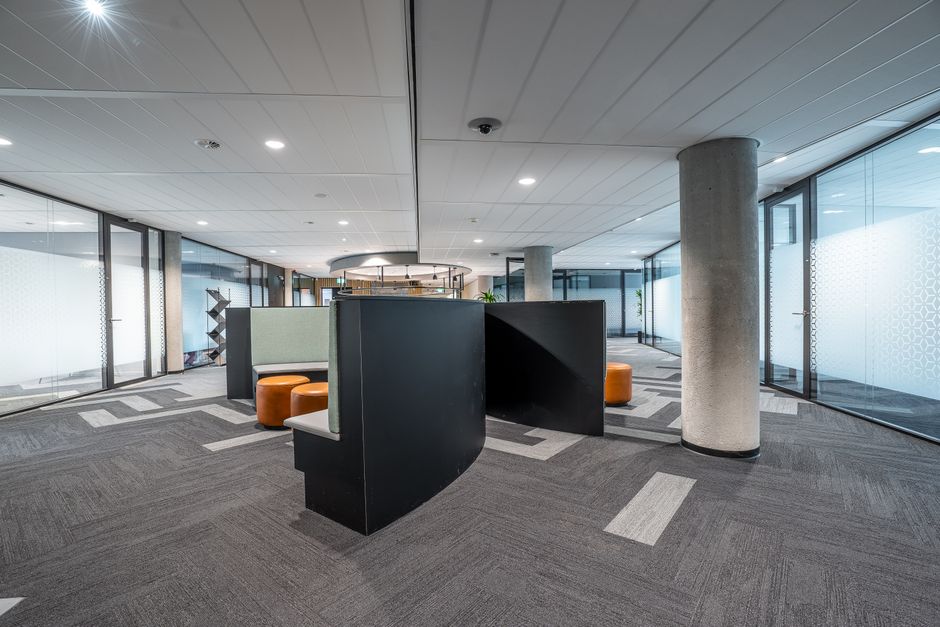
Carindale sits in a part of east Brisbane where retail density and residential growth have made medical real estate genuinely competitive.
Q: Why is finding suitable medical space in Carindale harder than it looks from the outside?
A: The suburb's proximity to one of Queensland's largest shopping centres creates a gravitational pull for medical tenants, but that same retail demand pushes rents upward and limits the pool of premises that actually suit clinical use. Purpose-built medical suites with compliant fitouts, accessible parking, and adequate floor area are absorbed quickly when they come to market. Practices that wait for the ideal space often find themselves competing against two or three other tenants already in advanced negotiations.
Q: What do GP and primary care practices specifically need from premises in this suburb?
A: Beyond the obvious requirements of consulting room count and waiting room size, Carindale patients expect a practice that feels accessible rather than tucked away. Ground-floor entries, proximity to public transport routes, and ample short-stay parking all influence whether a new practice builds patient volume at a reasonable pace. RACGP practice standards set a floor for the physical environment, and landlords in established suburban nodes like this one are increasingly aware of those requirements when marketing tenancies.
Q: How competitive is the allied health side of the market, and which disciplines are most active?
A: Physiotherapy, psychology, and occupational therapy practices have been among the most active tenants across Brisbane's established suburban medical precincts, and Carindale is no exception. The suburb's catchment skews toward families and working-age adults, which sustains demand for musculoskeletal and mental health services well above the metropolitan average. That demand profile means allied health groups are often willing to accept above-market rents to secure high-visibility premises near the retail core. AIHW health workforce data consistently shows allied health as one of the fastest-growing practitioner categories nationally, which translates directly into tighter vacancy rates in desirable suburban locations.
Q: What lease terms are practices actually achieving in Carindale right now?
A: Initial lease terms of five years with one or two further options remain the standard expectation from landlords in this market. Shorter terms are occasionally available in mixed-use buildings where the landlord holds redevelopment plans, but those arrangements carry obvious risks for a practice investing in fitout. Rent review mechanisms tied to CPI or fixed annual increases are common, and experienced tenants negotiate hard on the base from which those reviews are calculated. Getting independent advice before signing is not optional in a market where face rents and effective rents can sit well apart once incentives are factored in.
Q: What should a practice budget for fitout, and who typically carries that cost?
A: Fitout responsibility varies considerably depending on whether a premises is offered as a cold shell, warm shell, or existing medical tenancy. Landlords in well-located Carindale buildings have become more selective about offering fitout contributions, particularly where demand allows them to choose between multiple interested tenants. Practices taking an existing medical fitout can move faster and spend less on construction, but they often inherit a floor plan designed around another discipline's workflow. The Australian Government's primary care framework and ABS population projections for south-east Queensland both point toward sustained demand in this corridor, which gives well-prepared practices a reasonable basis for negotiating meaningful landlord contributions even in a tighter market.
This article is general information only and does not take your personal circumstances into account. It is not financial, legal or professional advice. Seek advice specific to your situation before acting. Content is AI-generated from publicly available industry sources and may contain errors.