IVF Clinic Property: 7 Constraints That Shrink the Search
IVF clinic property in Australia demands more than square metres. Discover 7 real property constraints that narrow the available pool for fertility specialists.
Finding the right property for a fertility or IVF clinic is nothing like finding space for a general practice. The clinical requirements are precise, the patient experience is emotionally charged, and the infrastructure demands rule out most standard commercial buildings before an agent even makes a call. Operators, investors, and advisers entering this segment of Australian medical real estate need to understand why the available property pool is so narrow and why that scarcity has real consequences for both occupiers and owners.
1. Laboratory Environments Demand Structural Specificity
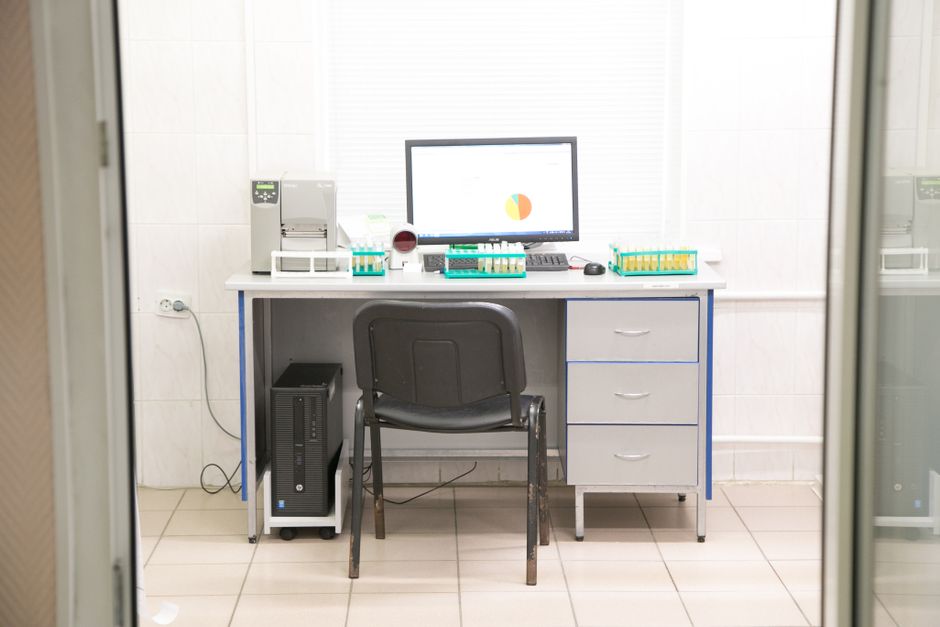
An IVF laboratory is not a room with benches and good lighting. Embryology labs require vibration-controlled flooring, specialist HVAC systems that maintain precise air quality, and building structures that can carry the load of purpose-built equipment. Standard commercial construction almost never meets these criteria without significant capital expenditure. Many buildings that appear suitable on paper fail at the engineering assessment stage, which is why experienced tenants commission a technical due diligence review before signing heads of agreement.
2. Temperature and Air Quality Controls Are Non-Negotiable
Embryo development is acutely sensitive to volatile organic compounds, particulates, and temperature fluctuations. Labs require HEPA filtration, positive pressure environments, and backup power systems to protect incubators during outages. These systems require plant room space, dedicated electrical capacity, and ceiling heights that standard medical suites cannot accommodate. A building without these base-building capabilities either requires a capital-intensive retrofit or is simply not a viable option.
3. Reception Design Must Prioritise Discretion
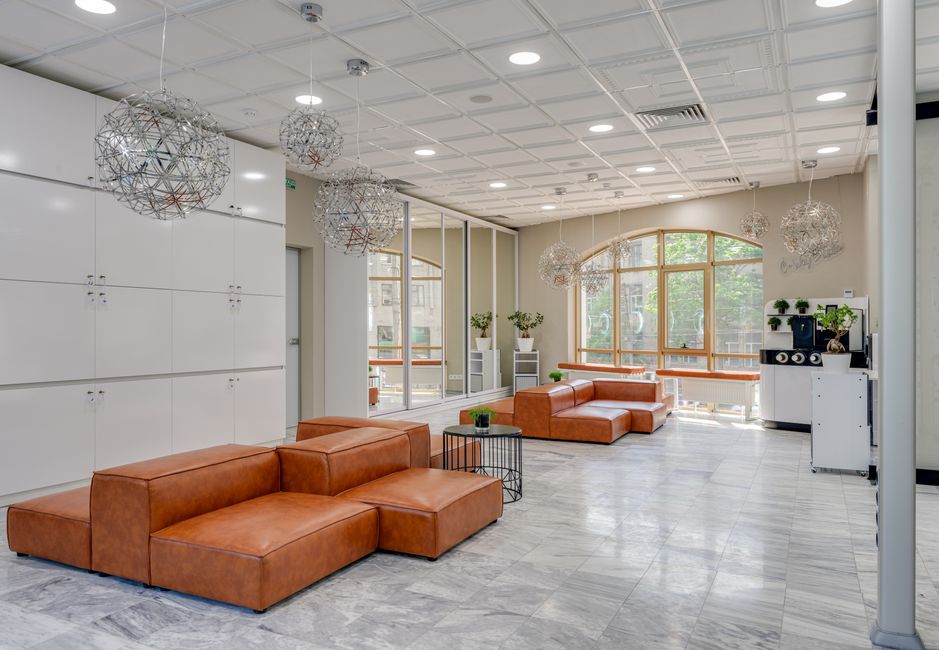
Patients attending fertility clinics are often navigating deeply personal circumstances. Waiting areas that feel exposed, shared lobby environments, or street-level frontage with glass facades can deter attendance and damage the patient experience significantly. The most successful IVF premises separate waiting zones by appointment type, provide semi-private consultation alcoves, and use acoustic treatment throughout. This rules out open-plan or shared-reception tenancies common in mixed medical centres, further narrowing what qualifies as suitable space.
4. Proximity to Day Hospital Facilities Is a Clinical Priority
Egg retrieval and embryo transfer procedures require access to anaesthetic services and recovery space, which most standalone clinical buildings cannot provide. Operators seek co-location with or close proximity to licensed day hospitals, ideally within the same building or on the same campus. In Brisbane and South East Queensland, this gravitational pull toward established private hospital precincts concentrates demand in a handful of locations, making suitable properties genuinely scarce. The Australian Government's framework for specialist medical services reinforces that procedural care settings must meet defined facility and safety standards, which shapes where these clinics can practically operate.
5. Floor Plate Size and Configuration Create Practical Barriers
A functional IVF clinic needs to house clinical consultation rooms, a laboratory suite, a day procedure area or procedure room, recovery space, administrative offices, and staff facilities. That requires a floor plate large enough to separate these zones without compromise, often significantly larger than what is available in typical suburban medical suites. Irregular or subdivided floor plates create workflow problems that no fitout can fully overcome, and operators frequently reject sites that look adequate on a floor plan but fail in practice.
6. Regulatory and Accreditation Requirements Influence Site Selection
Fertility clinics operate under national guidelines administered by bodies including the Australian Health Practitioner Regulation Agency and are subject to specific accreditation requirements that govern how clinical spaces must be designed, separated, and managed. Meeting these standards from an existing building can require structural changes that are either cost-prohibitive or physically impossible. Landlords unfamiliar with this sector often underestimate the extent of works required, which leads to fitout cost disputes and delayed lease execution.
7. The Investor Opportunity Sits in the Scarcity
Because the property pool is so constrained, tenants who do find a suitable site tend to commit to long lease terms and invest heavily in the fitout. That investment creates strong tenant retention and lease stability that many other medical tenancies do not produce in the same way. The AIHW's overview of Australia's health system highlights growing demand for reproductive health services driven by demographic and social trends, which supports long-term occupancy fundamentals. Investors who understand the technical requirements and can deliver compliant, purpose-fitted space attract tenants who are unlikely to relocate once established. Yields in this segment have compressed in recent years as the medical property investment case has attracted broader institutional interest, as reflected in ABS quarterly business indicator data showing consistent growth in health industry output.
IVF and fertility clinic property represents one of the more demanding segments in Australian healthcare real estate. The combination of laboratory-grade infrastructure, acoustic and visual privacy requirements, procedural facility proximity, and regulatory compliance standards means that most buildings simply do not qualify. For tenants, the challenge is finding the right site before committing to a location that requires unbudgeted remediation. For investors and developers, the opportunity lies in building or repositioning assets that genuinely meet the specification, because the tenants who fill those spaces tend to stay, invest deeply in the fitout, and anchor long-term lease income. Understanding the constraints is the first step to acting on the opportunity.
This article is general information only and does not take your personal circumstances into account. It is not financial, legal or professional advice. Seek advice specific to your situation before acting. Content is AI-generated from publicly available industry sources and may contain errors.