EV Charging at Medical Premises: A Tenant Priority
EV charging is shifting from a perk to a tenant expectation at Australian medical properties. Here's what landlords and practitioners need to know.
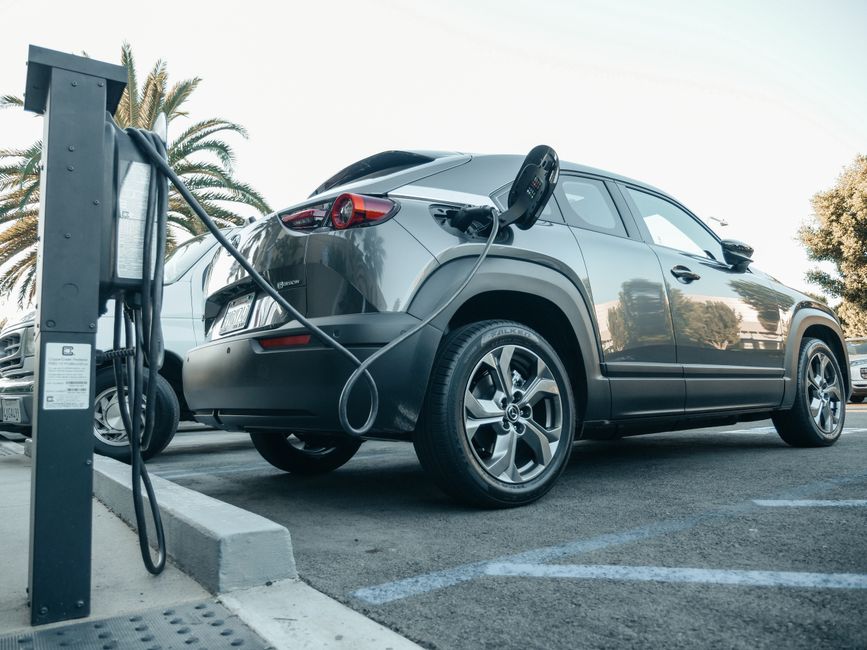
Electric vehicles have moved well past the early-adopter phase in Australia, and the ripple effects are reaching places that property analysts might not have anticipated even three years ago. Medical real estate is one of them. Across Brisbane and the broader Queensland market, healthcare practitioners and allied health professionals are arriving at work in EVs at a rate that is starting to matter commercially. Patients are following. And landlords who have not yet thought about charging infrastructure are beginning to feel the gap.
The shift is not uniform, but the direction is clear. General practitioners, specialists, and allied health clinicians tend to sit in income brackets where EV uptake has been strongest. A GP principal or specialist who drives an EV does not want to anchor their clinic at a building where there is no way to charge during a long clinical day. The same logic applies to patients managing chronic conditions who attend the same building two or three times per week. For them, a charging bay is not a luxury. It is a genuine factor in choosing where to seek care.
For medical landlords, this creates a practical tension. Installing EV charging infrastructure at an existing building is not a trivial exercise. It requires an electrical capacity assessment, potentially a switchboard upgrade, civil works if trenching is required for conduit, and the installation of charging units that are suitable for a mixed-use environment where dwell times vary significantly. A patient attending a fifteen-minute GP consultation has a very different charging window to a physio who works eight-hour days. Infrastructure that serves one well may frustrate the other.
Despite those complications, the commercial case for installation is strengthening. Medical tenants tend to sign longer leases than general commercial occupants, and their retention rates are high. When a GP practice or specialist suite evaluates a building at renewal or at initial lease-up, the presence of EV charging is increasingly noted alongside car parking ratios, disabled access, and proximity to public transport. As our article on medical lease renewal decisions identifies, tenants weigh a wide range of practical factors when deciding whether to stay or move. Charging availability is entering that list.
The cost burden sits unevenly. In purpose-built medical centres, developers can design EV infrastructure into the base build from the outset, which is substantially cheaper than retrofitting. According to ABS quarterly business indicators, construction input costs have remained elevated, which means landlords contemplating a retrofit need to weigh that capital outlay against lease incentive budgets and long-term asset competitiveness. The calculus often favours acting early rather than waiting until a lease event forces the question.
There is also a broader regulatory trajectory to consider. The Australian Government has signalled policy support for EV adoption through the Department of Health and Aged Care workforce and infrastructure planning frameworks, and state governments across Queensland are progressively updating built environment guidelines to reflect emissions reduction targets. Medical premises that lag on EV infrastructure may face a more expensive retrofit environment in five years than they do today.
Veterinary clinics and day hospitals sit in a similar position to GP and allied health facilities. Vet clinic property in suburban Brisbane often attracts owners and clients who skew toward EV adoption, making charging a more pressing consideration than it might be at, say, a trade-focused industrial complex. The tenant profile at medical suites matters when assessing whether infrastructure investment will be used and appreciated or simply sit idle.
As our coverage of allied health suites versus standalone space shows, the decision to occupy a multi-tenant medical building versus a standalone premises involves trade-offs that extend well beyond rent. Shared-building tenants may find EV charging managed centrally by the landlord, while standalone occupants bear the full cost of installation themselves. That asymmetry is beginning to influence which model certain practitioners prefer.
The AIHW health workforce data consistently shows that the practitioner base is growing and diversifying. A younger, increasingly EV-driving cohort of health professionals is entering the workforce at pace. Medical landlords who treat EV charging as a forward-looking amenity today will likely find it treated as a baseline expectation within a lease cycle or two.
This article is general information only and does not take your personal circumstances into account. It is not financial, legal or professional advice. Seek advice specific to your situation before acting. Content is AI-generated from publicly available industry sources and may contain errors.