Brisbane 2032 Olympics: 7 Healthcare Property Shifts
How Olympic infrastructure, rezoning and population growth near Woolloongabba and South Brisbane are reshaping healthcare property demand.
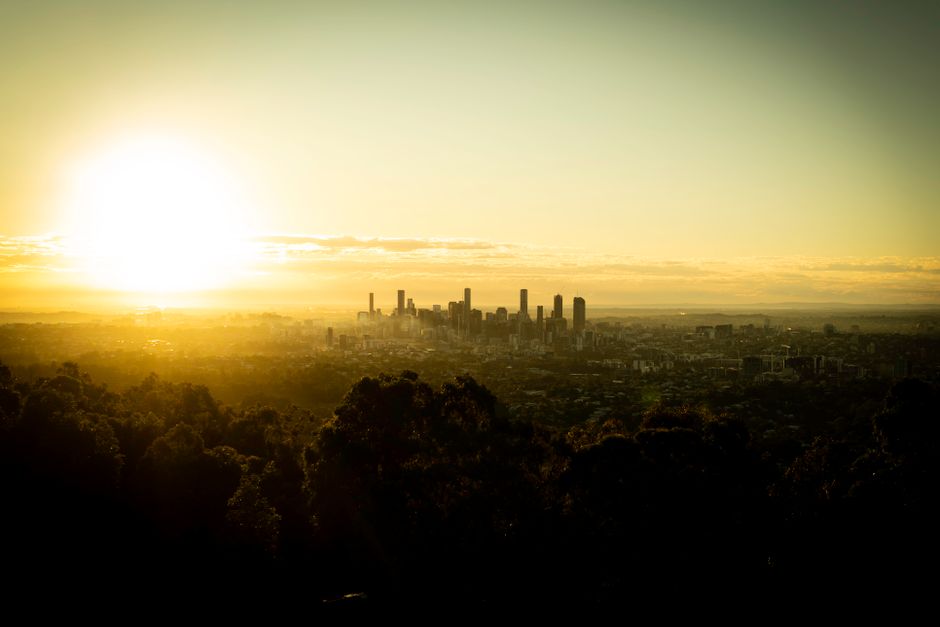
Brisbane's Olympic preparations are doing more than upgrading stadiums. The infrastructure investment, precinct rezoning and population influx flowing from the 2032 Games are quietly reshaping demand for healthcare property across the inner city and its surrounding suburbs. For investors and practitioners thinking about medical real estate now, the window to act before those shifts fully materialise is narrowing fast.
1. Woolloongabba Is No Longer Just a Footy Suburb
The Cross River Rail terminus at Woolloongabba has transformed the suburb's development profile, and the Olympic precinct overlay has accelerated that shift further. Rezoning around the Gabba has triggered a wave of residential and mixed-use approvals that will bring thousands of new residents into walking distance of the stadium. Higher residential density consistently drives demand for local primary care, allied health and pharmacy services, and Woolloongabba is showing all the early signals of a suburb about to outgrow its current medical footprint.
2. South Brisbane's Mixed-Use Rezoning Is Pushing Medical Tenants Out and In
South Brisbane sits at the intersection of Olympic precinct planning and long-running inner-city densification. Some existing medical tenants are being displaced as older commercial stock gets converted or demolished for residential towers. At the same time, new ground-floor and podium-level tenancies in mixed-use buildings are creating purpose-configured medical suites that simply did not exist five years ago. Operators who secure space in well-located mixed-use buildings during construction phases tend to negotiate the most competitive lease terms, before demand firms and landlords lose the incentive to move.
3. Population Growth Projections Are Concrete, Not Speculative
The ABS population statistics consistently show south-east Queensland absorbing among the highest interstate migration volumes in the country. The Olympic effect compounds this. Infrastructure-led growth corridors attract younger working families and professionals, which in turn drives demand for GP clinics, paediatric services and women's health providers. Practices that establish early in high-growth postcodes tend to build patient lists that sustain them for a decade or more, well after the Olympic spotlight has moved on.
4. The Inner Ring Is Seeing Tighter Medical Property Supply
While outer suburban growth corridors often struggle to attract healthcare investment, the inner ring around Woolloongabba, Kangaroo Point and West End faces the opposite problem. Available commercial space is being absorbed into residential conversions or commanding rents that reflect their proximity to Olympic infrastructure. Medical tenants competing against hospitality, retail and professional services operators for limited ground-floor tenancies are finding supply genuinely constrained. This is pushing some providers toward purpose-built medical buildings one or two suburbs further out, where fitout flexibility is higher and landlord appetite for health tenants is stronger.
5. Precinct Rezoning Creates Short-Term Uncertainty and Long-Term Opportunity
Planning overlays linked to the Olympic corridor have not settled uniformly across all affected suburbs. Some sites near the Gabba remain in transitional zoning states, which can complicate lease negotiations and fitout approvals for prospective medical tenants. The Queensland planning framework gives councils significant discretion in how Olympic-adjacent precincts are developed, and that discretion is still being exercised. Investors who understand zoning trajectories rather than current designations are better placed to identify sites where medical use will be permissible and valued in three to five years.
6. Cross River Rail Changes the Catchment Map Entirely
The new rail link does not just serve Woolloongabba residents. It connects suburbs across the inner south with the CBD and northern suburbs in ways the old network could not. For specialist medical practices that rely on patients travelling from across the city, a Cross River Rail station nearby changes the viable catchment radius substantially. Specialist centres that historically needed to be near the CBD or large hospital campuses now have more locational flexibility, provided they can access the rail corridor. The AIHW health workforce data shows specialist distribution remains skewed toward CBD-adjacent locations, suggesting there is real room for well-positioned inner-south practices to capture unmet demand.
7. Investor Interest in Healthcare Property Near Olympic Precincts Is Already Firming
Medical real estate near infrastructure anchors has historically delivered stronger yields than comparable retail assets and longer average tenancy terms than standard commercial property. The Olympic precinct effect is beginning to attract investor attention to medical assets in Woolloongabba and the surrounding suburbs that would have been overlooked two years ago. The Australian Government's primary care framework continues to prioritise community-based healthcare delivery, which means GP clinics and allied health hubs in growing residential precincts carry both demand-side support and policy-level backing. Investors tracking these signals now are ahead of a market that has not fully priced the Olympic infrastructure effect into medical property valuations.
The 2032 Games will leave Brisbane with a permanently upgraded inner-city infrastructure base, a denser residential population in the Olympic corridor and a commercial property market that has been fundamentally redrawn in places like Woolloongabba and South Brisbane. For healthcare property specifically, that combination creates genuine opportunity, but timing matters. Medical tenants and investors who wait until the Olympic precinct plans are fully settled will find supply tighter, competition stronger and landlords far less willing to negotiate. The practitioners and investors moving now, while rezoning is still in progress and construction cranes still outnumber patients, are the ones most likely to secure the sites that define inner Brisbane's medical property story for the next twenty years.
This article is general information only and does not take your personal circumstances into account. It is not financial, legal or professional advice. Seek advice specific to your situation before acting. Content is AI-generated from publicly available industry sources and may contain errors.