Birtinya Medical Property: What Tenants and Investors Should Know
Birtinya medical real estate is booming near Sunshine Coast University Hospital. What tenants and investors need to know about this high-growth corridor.
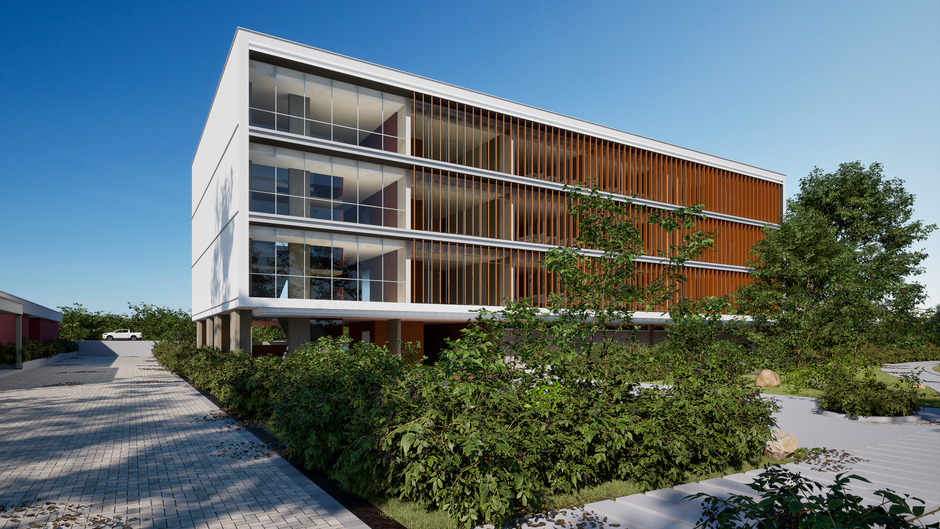
Birtinya has quietly become one of Southeast Queensland's most compelling medical property markets, driven by the gravitational pull of Sunshine Coast University Hospital and a rapidly expanding residential catchment.
Q: Why is Birtinya drawing so much attention from medical property investors right now?
A: The presence of Sunshine Coast University Hospital has fundamentally reshaped demand for specialist medical space in the surrounding suburb. Hospitals of that scale create what the industry calls a halo effect, where specialist consulting suites, allied health clinics, and day procedure facilities cluster nearby to service both inpatient referrals and community demand. Birtinya sits squarely inside that halo, and investor interest has followed.
Q: What types of medical tenants are actually looking for space in Birtinya?
A: Specialist physicians account for a large share of enquiries, particularly those whose patient base overlaps with the hospital's clinical activity. Beyond specialists, the area attracts GP practices, imaging centres, physiotherapy and rehabilitation providers, and purpose-built allied health suites catering to the Kawana Town Centre residential population. Demand for veterinary clinic property has also grown as the broader Kawana corridor fills with owner-occupier households, a demographic that consistently supports strong vet clinic lease outcomes.
Q: How does the local population growth affect the medical property case here?
A: The Sunshine Coast is among the fastest-growing regions in Queensland, and Birtinya benefits directly from that trajectory. ABS population data confirms the Sunshine Coast statistical area has recorded sustained above-average growth, translating into rising demand for primary and specialist care. New residential estates feeding into the Kawana corridor are adding households year on year, and each new household represents a prospective patient. For tenants, that means a growing active patient pool; for investors, it underpins long-term rental demand.
Q: What should tenants consider before committing to a lease in Birtinya?
A: Purpose-built medical facilities near the hospital campus tend to carry specifications that standard commercial buildings do not, including wider corridors, compliant accessibility features, and dedicated clinical waste management. Tenants should assess whether a building meets RACGP practice standards before signing, particularly if seeking accreditation. Lease structures in hospital-adjacent precincts often reflect the premium location, so negotiating fitout contributions and lease incentives early in the process is worth prioritising.
Q: What makes Birtinya a stronger investment case than a comparable suburban medical property elsewhere?
A: Three factors separate Birtinya from the broader suburban medical market. First, hospital adjacency reduces tenant vacancy risk because the referral network keeps suites occupied and practices viable. Second, the Kawana Town Centre precinct provides genuine amenity that attracts high-quality tenants who intend to stay. Third, purpose-built medical assets in growth corridors have historically delivered tighter cap rates than standard commercial property, a pattern consistent with what AIHW workforce data suggests is a structurally undersupplied specialist market across fast-growing Queensland regions. Investors who entered similar hospital-adjacent precincts in Robina and Springfield Central early have seen that thesis play out over time.
This article is general information only and does not take your personal circumstances into account. It is not financial, legal or professional advice. Seek advice specific to your situation before acting. Content is AI-generated from publicly available industry sources and may contain errors.