Telehealth Plateau: What It Means for Medical Premises
Telehealth has stabilised post-pandemic. Discover which specialties are driving in-person consultation growth and what this means for medical real estate demand.
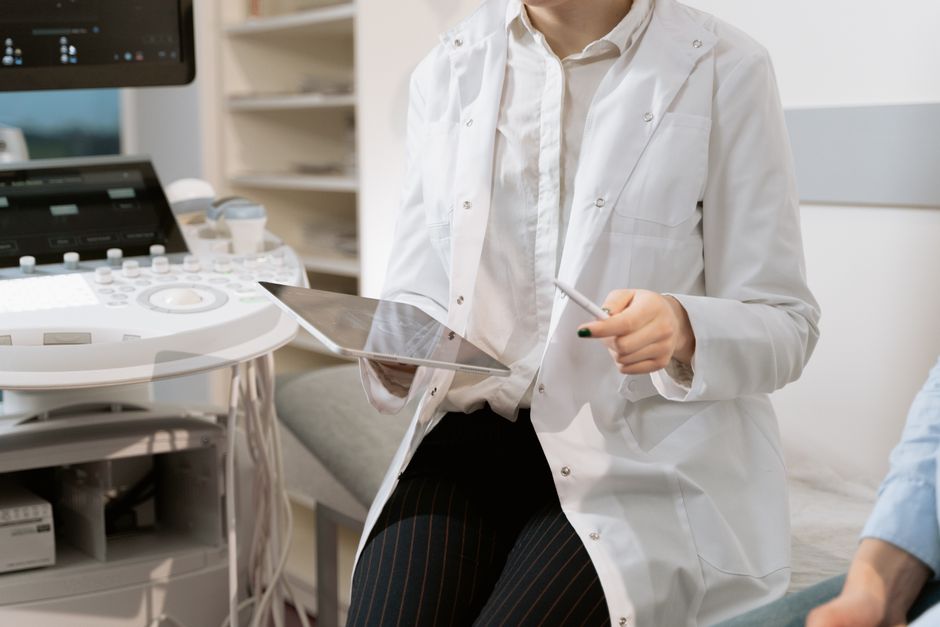
The telehealth surge that reshaped Australian healthcare during the pandemic years has settled into something more predictable. After the initial explosion in remote consultations, usage has plateaued at a level meaningfully higher than pre-2020 baselines but well short of the peaks recorded during lockdown periods. For practitioners, landlords and investors thinking about medical real estate, this stabilisation carries significant implications for how physical premises are valued, occupied and planned.
The critical insight is not that telehealth failed to stick. It did stick, for certain interactions. Prescription renewals, mental health check-ins, chronic disease monitoring and some follow-up appointments now routinely happen via screen. Medicare's telehealth framework formalised many of these item numbers, giving practitioners a structural incentive to offer remote options where clinically appropriate. What this has done is filter out the lower-acuity appointments from physical waiting rooms while concentrating the in-person load on consultations that genuinely require physical examination, procedural work or diagnostic equipment.
That filter effect has proved remarkably good for premises demand. General practice has emerged as one of the clearest examples. GPs who adopted telehealth for suitable appointments found their rooms freed up for higher-complexity patients, allowing more efficient use of existing space rather than a reduction in the physical footprint needed. Some practices that expected to downsize have instead found they require the same or greater floor area to handle a more acute patient mix. The RACGP's guidance on running a practice has long emphasised that clinical space requirements are driven by patient need rather than appointment volume alone, and the post-telehealth data broadly supports that position.
Specialist medicine tells a more nuanced story. Psychiatry and psychology absorbed a substantial share of telehealth consultations and retained them. Some practitioners in those disciplines have genuinely reduced their reliance on physical rooms, shifting toward sessional arrangements or smaller suites. But procedural specialists, including surgeons, gastroenterologists, cardiologists and orthopaedic practitioners, never found a viable remote substitute for what they do. Demand for their rooms has strengthened, not weakened, as elective procedure backlogs accumulated through the pandemic years continue to clear.
Allied health sits across both ends of that spectrum. Dietitians and some occupational therapists conduct a meaningful share of consultations remotely. Physiotherapists, exercise physiologists and podiatrists do not. Hands-on disciplines have seen consistent demand for well-fitted, accessible premises, particularly in growth corridors where population increases outpace the supply of purpose-built suites. AIHW data on health workforce distribution confirms that allied health practitioner numbers have grown steadily in outer metropolitan areas, and premises supply in those zones has struggled to keep pace.
For investors and owner-occupiers considering medical suites, the telehealth plateau actually reinforces the asset class rather than undermining it. Remote consultations absorbed the interactions least dependent on physical space. What remains in clinics and specialist centres is the work that cannot be replicated through a screen, and that category of healthcare is growing alongside an ageing population and rising rates of chronic disease. ABS population projections show the cohort most likely to require frequent, in-person clinical contact expanding substantially over the next two decades.
The practical consequence for anyone evaluating a medical premises decision is that specialties with high procedural or diagnostic content represent more durable tenants than those where telehealth substitution is easy. A suite designed for imaging, infusion, minor procedures or complex allied health assessments is far less vulnerable to remote competition than a room used primarily for low-acuity check-ups. Fitout quality, equipment capacity and room sizing matter more now precisely because the consultations filling those rooms are the complex ones that telehealth cannot replicate.
The initial fear that digital health would hollow out demand for physical medical premises has not materialised. Instead, telehealth has become a complementary channel that, if anything, concentrates higher-value clinical activity into well-equipped physical spaces. That is a stronger foundation for medical property than existed before 2020.
This article is general information only and does not take your personal circumstances into account. It is not financial, legal or professional advice. Seek advice specific to your situation before acting. Content is AI-generated from publicly available industry sources and may contain errors.