Spring Hill Medical Property: 7 Things to Know
Spring Hill is Brisbane's original specialist precinct. Here's what tenants and investors need to know about its medical property market in 2026.
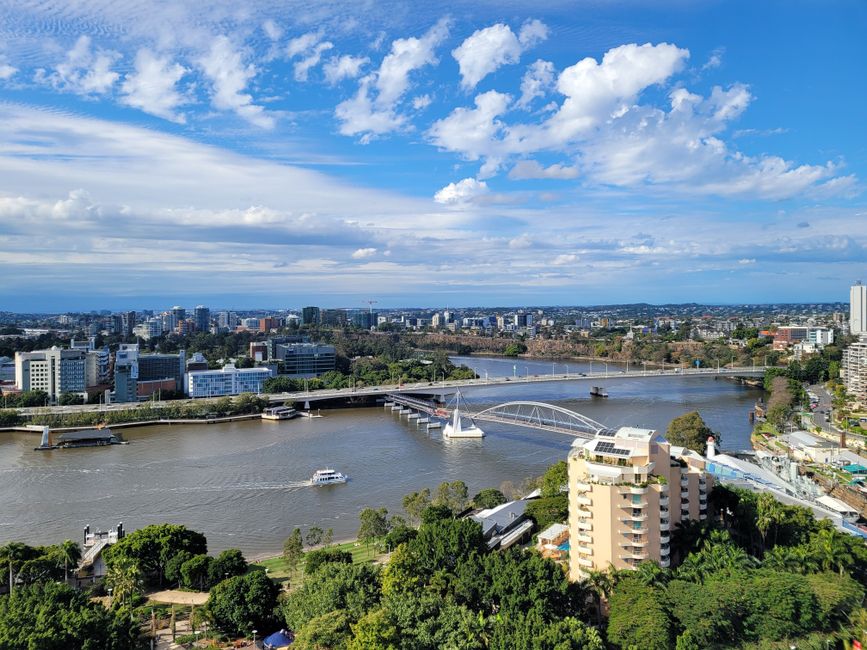
Spring Hill sits less than a kilometre north of the Brisbane CBD, and for decades it has served as the city's original specialist consulting precinct. The suburb draws patients from the inner city, Fortitude Valley and beyond, and its mix of heritage Queensland buildings alongside modern purpose-built suites creates a property market unlike anywhere else in Brisbane. Whether you are a practitioner searching for your next clinic space or an investor assessing where to place capital, understanding Spring Hill's nuances is the difference between a strong long-term position and a costly misfit.
1. Brisbane's First Specialist Precinct Still Carries Real Weight
Spring Hill's reputation as a specialist consulting hub did not happen by accident. The suburb built its identity around proximity to the Royal Brisbane and Women's Hospital corridor and the CBD professional workforce, drawing private specialists who wanted to be near their referral networks without paying CBD rents. That positioning remains relevant today. Established specialists in disciplines including dermatology, gastroenterology, gynaecology and ophthalmology have maintained long-term tenancies in the precinct, and the weight of that history creates genuine patient loyalty and referral infrastructure that newer precincts simply do not yet have.
2. Heritage Buildings Are Charming Until They Are Not
Spring Hill contains a significant volume of older Queensland building stock, including converted homes, early-century commercial buildings and low-rise walk-up offices that were never designed with clinical fitouts in mind. For general practitioners and allied health providers, these buildings can work well after modest refurbishment. For specialties requiring procedure rooms, medical-grade ventilation, wheelchair-compliant access or three-phase power, older stock creates real constraints. Tenants must scrutinise building specifications before signing, and investors should understand that heritage or near-heritage buildings often carry higher ongoing maintenance obligations than modern equivalents.
3. The Patient Catchment Punches Above Its Weight
Spring Hill's position on the CBD fringe means it draws patients from a wide geographic band. Inner-city apartment residents, CBD workers attending specialist appointments during the working day, and residents from Paddington, Red Hill and Petrie Terrace all converge on this suburb. According to ABS population data, inner-Brisbane's residential density has grown steadily, which directly supports demand for accessible, centrally located specialist and GP services. A well-positioned Spring Hill practice does not rely solely on the immediate suburb for its patient volume.
4. Modern Strata Suites Offer a Cleaner Entry Point
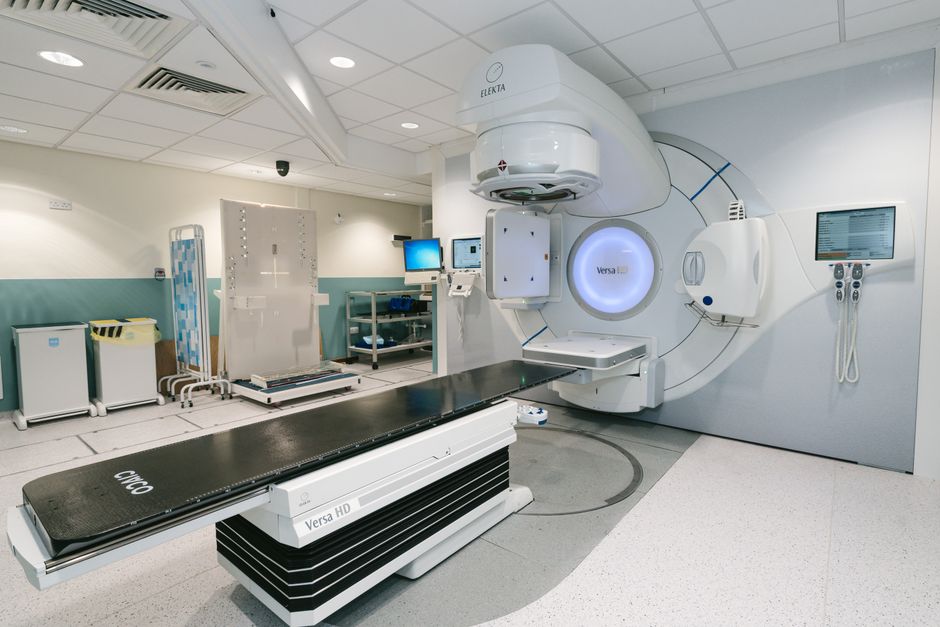
Alongside the heritage stock, Spring Hill has a cohort of purpose-built medical strata suites from the 1990s through to more recent developments. These buildings tend to offer better floor plates for clinical use, lift access, on-site parking and compliant amenities. For investors, strata medical suites in this precinct have historically attracted strong tenant demand because supply is genuinely constrained. Yields in this asset class have compressed in recent years as more capital has chased medical property nationally, though Spring Hill still offers competitive positioning relative to CBD-facing retail or office assets. REIA research consistently points to healthcare-tenanted commercial property as one of the more resilient sub-sectors across the property cycle.
5. Parking Remains a Persistent Pressure Point
Few topics generate more friction between Spring Hill medical tenants and their patients than parking. The suburb's streetscape was planned before modern car dependency, and on-street parking is patchy and time-restricted. Practices that have secured on-site or basement parking hold a genuine competitive advantage over those that depend on patients navigating paid car parks or walking from the CBD fringe. Tenants negotiating new leases should push hard on parking entitlements as a lease condition, not an afterthought, and investors should treat car park access as a material factor when assessing a building's long-term tenancy appeal.
6. Lease Structures Vary Widely Across Building Ages
Because Spring Hill's building stock spans several decades, lease structures across the precinct are far from uniform. Older buildings under private landlord ownership often carry less standardised documentation, less transparent outgoings schedules and fewer tenant-friendly provisions around fitout contributions or make-good obligations. Modern strata buildings typically run on more structured commercial leases with clearer rent review mechanisms. Practitioners and practice managers reviewing lease terms in this precinct should pay particular attention to outgoings definitions, make-good clauses and fitout ownership at lease expiry. The RACGP running a practice guidance offers useful background on the operational considerations that should inform any lease negotiation for a general practice setting.
7. Investor Demand Is Structurally Supported by Workforce Trends
Australia's healthcare workforce is expanding, and the demand for private specialist consulting space in established, well-connected locations is not abating. The AIHW health workforce report documents sustained growth in the number of registered specialists and allied health practitioners, many of whom seek private practice accommodation in inner-city precincts rather than purpose-built outer suburban facilities. Spring Hill's location, its referral networks and its existing concentration of health services make it a logical target for practitioners setting up or expanding private rooms. For investors, that structural demand story supports the case for holding well-located medical assets in this precinct over the long term.
Spring Hill is not a set-and-forget medical property market. The building stock requires careful due diligence, parking constraints demand attention at the lease negotiation stage, and not every specialty will find a suitable fit in older buildings. But the suburb's position as Brisbane's original specialist consulting precinct gives it a durability that newer fringe locations are still working to establish. Practitioners who do the homework on building specifications and lease terms, and investors who understand the nuances of the heritage versus modern stock divide, will find Spring Hill a market worth taking seriously.
This article is general information only and does not take your personal circumstances into account. It is not financial, legal or professional advice. Seek advice specific to your situation before acting. Content is AI-generated from publicly available industry sources and may contain errors.