South Brisbane Medical Property: What Tenants and Investors Need to Know
South Brisbane's hospital-adjacent medical property market is one of Brisbane's most competitive. Here's what tenants and investors need to understand before acting.
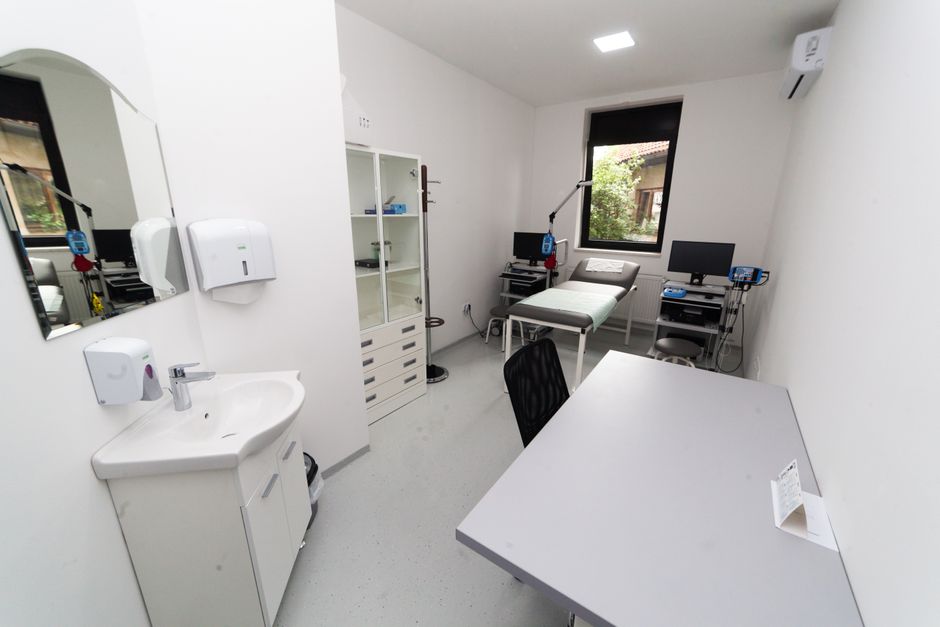
Few medical precincts in Queensland concentrate so much clinical activity into such a compact area as South Brisbane. The Mater Hospital campus, the former Lady Cilento Children's Hospital site, and the broader inner south corridor create a gravitational pull that shapes property demand across the entire suburb and into neighbouring Woolloongabba and West End. For practitioners seeking rooms and investors seeking durable returns, understanding what drives this market is not optional. It is the starting point for every sound decision.
The residential catchment surrounding South Brisbane is among the densest in Queensland. High-rise apartment towers have proliferated along the river corridor over the past decade, and that concentration of residents translates directly into patient volumes for primary care and specialist services alike. Unlike suburban medical catchments where population growth is incremental, South Brisbane's density is already established. GPs, allied health practitioners, and specialists do not need to wait for a suburb to mature around them. The patients are already there.
Hospital-adjacent demand is the defining characteristic of this market. Specialists who hold consulting rights or admitting privileges at the Mater benefit enormously from locating their consulting rooms within a short walk of the campus. The same logic applies to allied health providers whose referral networks are anchored in hospital-based care. This proximity premium is real and persistent, and it pushes vacancy rates for well-positioned suites to some of the tightest levels seen anywhere in Brisbane's medical sector.
The property stock itself is a study in contrasts. South Brisbane retains a significant number of older converted buildings, many of them terrace houses and low-rise commercial structures that have been adapted for medical use over successive decades. These buildings carry charm and often occupy prominent street positions, but they frequently present challenges around accessibility compliance, mechanical services, and floor plate efficiency. A converted terrace that once served a solo GP may not accommodate a modern group practice without meaningful capital expenditure. Prospective tenants should assess these buildings carefully against the requirements outlined by bodies such as the RACGP practice standards before committing to a lease.
Set against that older stock, a number of purpose-built medical suites have been delivered in recent years, typically as ground-floor or podium-level components of mixed-use residential towers. These spaces tend to offer better services infrastructure, compliant amenities, and configurations suited to specialist consulting. They command a premium, and competition for them among specialists in particular is fierce. When a purpose-built suite becomes available in a well-located South Brisbane building, multiple parties routinely pursue it at the same time.
For investors, the appeal of South Brisbane medical assets rests on several converging factors. The residential density provides a structural demand floor that does not depend on any single employer or industry. The hospital presence anchors specialist tenancy demand in a way that outlasts individual practitioners. And the limited supply of genuinely purpose-built medical space in the precinct means that well-configured assets can sustain stronger yields than comparable retail holdings in the same suburb. The AIHW health workforce data consistently shows growth in the number of registered practitioners nationally, and South Brisbane's catchment characteristics mean it captures more than its proportional share of that growth.
That said, investors should not overlook the structural complexities that come with medical tenancies in converted buildings. Make-good obligations, fitout contributions, and the cost of maintaining older building fabric can erode net returns if they are not interrogated at the outset. Lease terms in this precinct vary considerably, and the difference between a well-structured ten-year lease with fixed review mechanisms and a shorter arrangement with uncapped outgoings can be substantial over any meaningful hold period.
Tenants, meanwhile, should weigh the trade-off between proximity and practicality. A heritage-listed converted building two streets from the Mater may offer the address, but a purpose-built suite four blocks further away may offer the functionality. Patient accessibility, car parking, and consulting room configuration matter as much to clinical outcomes as postcode. The Australian Government's primary care framework places increasing emphasis on patient-centred access, and that philosophy should inform how practitioners assess any South Brisbane tenancy.
South Brisbane is not an easy market to enter, and it is not one where good opportunities wait around. Both tenants and investors benefit from moving with preparation rather than speed, and from working with advisers who understand the specific characteristics of hospital-adjacent medical property rather than approaching it as a generic commercial leasing exercise. The precinct rewards those who know what they are looking for, and it consistently penalises those who do not.
This article is general information only and does not take your personal circumstances into account. It is not financial, legal or professional advice. Seek advice specific to your situation before acting. Content is AI-generated from publicly available industry sources and may contain errors.