Ripley Medical Property: Tenants & Investors Guide 2026
Ripley is Queensland's fastest-growing corridor. Here's what GP and allied health tenants and property investors need to know about medical real estate there.
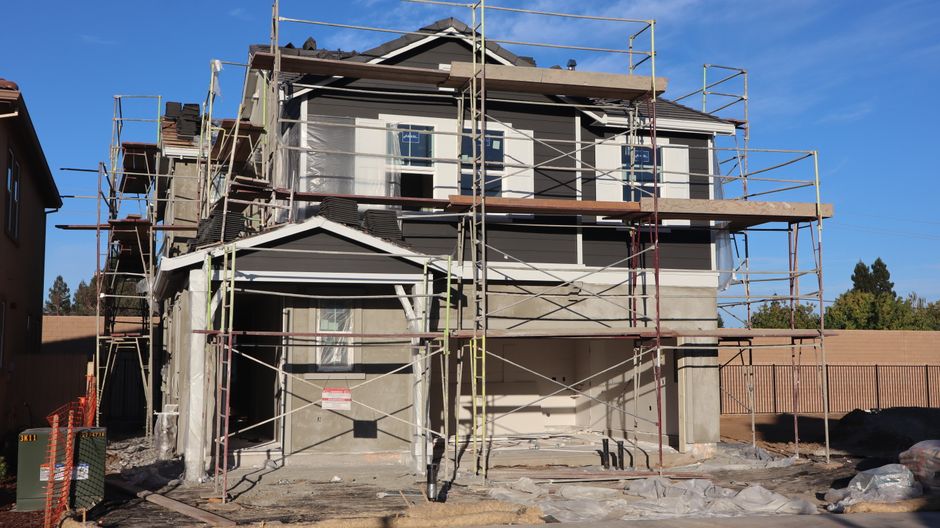
Ripley sits at the front edge of something significant. Tucked within the Ipswich local government area and anchored by one of Queensland's most ambitious master-planned residential programs, this suburb is transitioning from rural fringe to urban centre at a pace that very few locations in southeast Queensland can match. For medical tenants and property investors, that trajectory matters enormously.
The Ripley Valley Priority Development Area, overseen by the Queensland Government, has approved capacity for tens of thousands of new residents across a staged rollout spanning decades. Thousands of dwellings are already occupied or under construction, with land releases continuing to bring young families, working households and retirees into the area. Population growth of this scale and consistency creates a healthcare demand curve that is both predictable and compelling. ABS population data consistently shows that rapidly growing outer-metropolitan communities like Ripley generate above-average demand for primary care, maternal health, paediatrics and allied health services, precisely because the demographic skews young and family-oriented.
Yet despite this growth, Ripley's medical infrastructure remains in its early stages. The suburb has not yet accumulated the density of GP clinics, specialist suites or allied health centres that its population trajectory warrants. That gap between residential supply and healthcare service supply is exactly the condition that creates an early-mover advantage for practitioners willing to establish ahead of the curve. Practices that secure well-positioned premises now stand to build patient panels quickly, benefit from limited nearby competition, and negotiate lease terms that reflect the current stage of the market rather than the premium conditions that will inevitably follow as the area matures.
For tenants, the available property mix in Ripley currently leans toward purpose-built retail and commercial tenancies within emerging neighbourhood centres, along with freestanding commercial lots suited to owner-occupier fitouts. Ground-floor suites within mixed-use developments are appearing as each precinct stage reaches completion. Allied health operators, including physiotherapy, psychology, podiatry and dental practices, tend to perform strongly in this type of environment, where resident accessibility and car parking availability support high appointment volumes. GP practices with a broad general scope, ideally offering bulk billing to capture the price-sensitive outer-suburban demographic, are particularly well suited to the Ripley catchment. Australian Government primary care policy actively supports expanded GP access in underserved growth areas, which aligns well with the operational model many practices would deploy here.
For investors, the Ripley opportunity is fundamentally a long-horizon play. Medical tenants bring lease security, strong covenant quality and lower vacancy risk than most commercial property categories. Yields in growth corridor locations like this tend to sit at competitive levels relative to established suburban medical precincts, with the prospect of rental growth as the surrounding population reaches critical mass. The discipline here is selecting assets with genuine locational logic, buildings positioned near major arterial routes, future town centre infrastructure, schools and community facilities, rather than speculative sites that may not see foot traffic for years.
It is also worth understanding the broader western corridor context. Ripley connects into an arc of growth that runs through Ipswich and out toward Springfield Central, itself a maturing medical hub with an established hospital, specialist precinct and strong allied health base. That corridor effect matters because it signals proven appetite from both healthcare operators and property investors for western Brisbane fringe locations. Ripley is the next chapter in that story, not an isolated outlier.
Practitioners considering a move here should engage early with planning frameworks, as Queensland's development assessment processes can affect fitout timelines and permitted use classifications for medical premises. RACGP guidance on establishing a practice provides a useful framework for evaluating site suitability alongside physical and operational requirements. Registration and compliance obligations through Ahpra remain consistent regardless of location, but early engagement with local planning authorities can prevent delays in fitout approvals.
Ripley will not stay at this stage of development for long. The residential pipeline is already committed, the infrastructure investment is underway, and the demographic demand is building year by year. Medical tenants and investors who recognise this window are positioning themselves ahead of a market that the rest of the sector will be chasing within the next few years.
This article is general information only and does not take your personal circumstances into account. It is not financial, legal or professional advice. Seek advice specific to your situation before acting. Content is AI-generated from publicly available industry sources and may contain errors.