Greenslopes Medical Property: What Tenants and Investors Need to Know
Greenslopes Private Hospital anchors one of Brisbane's strongest specialist consulting markets. Here's what tenants and investors need to know about this inner-south precinct.
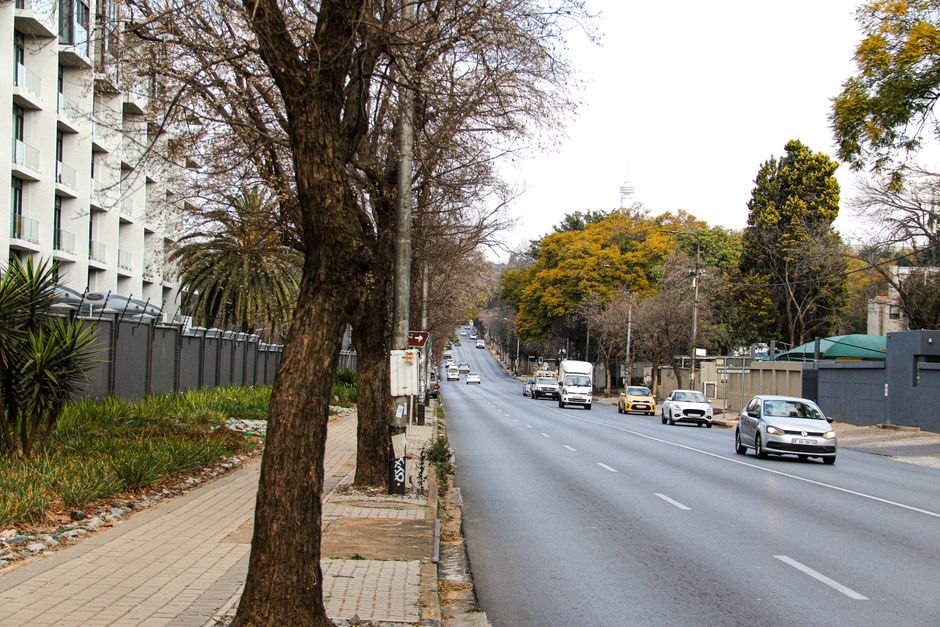
Greenslopes is one of the most underappreciated medical property precincts in Brisbane, and that is starting to change. The suburb sits roughly four kilometres south of the CBD, embedded in a well-established residential catchment, and it carries an asset that most suburban precincts can only wish for, a major private hospital at its centre. Greenslopes Private Hospital is one of the largest in Queensland, and its gravitational pull on specialist consulting demand is profound. Any serious assessment of inner-south Brisbane medical property has to start there.
The case for Greenslopes as a specialist consulting precinct is not built on projection or wishful thinking. It is built on what is already happening. Proceduralists, surgeons, anaesthetists, gastroenterologists, orthopaedic specialists, gravitate toward locations with direct or near-direct proximity to where they operate. Greenslopes Private provides that operating infrastructure, and the surrounding streets have absorbed the consulting room demand that flows from it. The problem is that the building stock doing this work is, in many cases, ageing. A significant proportion of the medical suites ringing the hospital were built for an earlier era of practice, when compliance requirements were lighter, spatial demands were smaller, and digital infrastructure simply was not a consideration. Those buildings are now being tested by tenants who need accessible layouts, robust power and data provisioning, and fitouts that meet contemporary RACGP practice standards. Owners who are investing in upgrades are finding strong tenant interest. Those who are not are finding their vacancy periods stretching.
For tenants considering Greenslopes, the competitive reality is this, demand for quality space around Greenslopes Private consistently outpaces the volume of genuinely fit-for-purpose suites available. That is especially true for proceduralists who need rooms large enough for examination equipment, appropriate waste management provisions, and sometimes minor procedure capacity. Standard commercial fitouts simply do not meet that brief. Tenants need to assess buildings carefully before committing, and the lease terms on offer should reflect the genuine costs a specialist will incur bringing an older space up to a workable standard. Incentives such as landlord fit-out contributions are increasingly part of the negotiation, particularly where tenants are absorbing significant upgrade costs. Federal health workforce policy is also pushing more specialist services into community-based settings rather than hospital outpatient departments, which will continue directing proceduralists toward exactly these kinds of private consulting locations.
For investors, Greenslopes presents a compelling structural argument. Hospital-adjacent medical property holds a category of tenant that is difficult to replicate elsewhere, specialists whose consulting location is functionally tied to their admitting hospital. That stickiness translates into longer tenure, lower vacancy risk, and a tenant profile that is demonstrably more stable than general retail or standard commercial. The AIHW health workforce data consistently shows growth in the specialist practitioner cohort, and inner Brisbane suburbs with ageing populations and private health insurance penetration above the national average are natural beneficiaries of that trend. Greenslopes, surrounded by suburbs like Stones Corner, Annerley, and Holland Park, sits squarely in that demographic band. Yields on well-positioned medical assets here have been compressing as institutional and private investors recognise the defensive quality of the income stream. Getting into the precinct at the right price, in a building with either a recent upgrade or genuine upgrade potential, is where the investment case is strongest.
The honest assessment is that Greenslopes rewards those who do their homework and punishes those who treat it as a generic commercial play. Older buildings with unresolved compliance gaps, poor accessibility, or inadequate power capacity will struggle regardless of the hospital next door. The precinct's strength is real, but it is not a substitute for the fundamentals of a sound lease and a fit-for-purpose building. Tenants should engage a specialist medical property advisor before signing, and investors should model their upgrade costs conservatively before acquiring. The opportunity in Greenslopes is genuine, the precinct's anchoring by a major private hospital, the tightening supply of quality space, and the structural growth in specialist demand all point in the same direction. But capturing that opportunity requires discipline, not just proximity.
This article is general information only and does not take your personal circumstances into account. It is not financial, legal or professional advice. Seek advice specific to your situation before acting. Content is AI-generated from publicly available industry sources and may contain errors.